
-
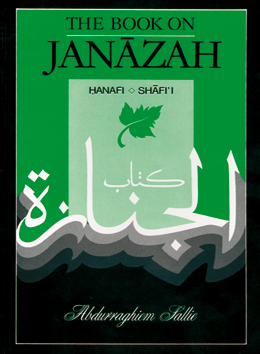
Abdurraghiem Hasan Sallie
Janazah
by: Abdurraghiem Hasan SallieR79.00


Death is the final separation of the soul from the physical body. In this book, the author provides full details of the final rites to be accorded to the dead, such as instructions for the washing of the corpse. The views from the perspective of the four matha-hib are provided and further elucidates the various aspects of burying a Muslim with dignity. The step by step method of performing the last ghusl (ceremonial bath) to the shrouding (kafan) of the corpse is explained in simple and easy to understand language. A perspective is also provided on crying and lamenting
A perspective is also provided on crying and lamenting over the dead, burying at night, grave exhumation and visiting the graveyard. The iddah of the wife is fully expounded upon. The punishment in the grave and the subject of Tawassul (request/entreaty) and wasilah (medium/intercession) has been added for the serious student or reader of Islamic literature.
SKU: jan-01-s
Publisher: Red Kufi Books
Publish Date: 1989
Page Count: 273
“Janazah”
-
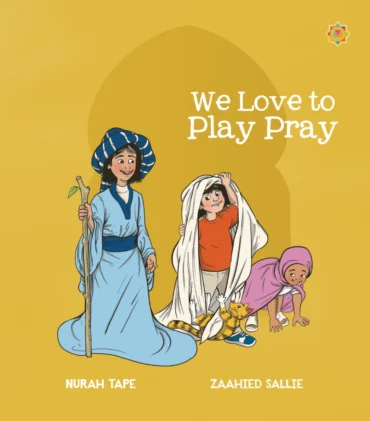
Sale!We Love to Play Pray Original price was: R220.00.R190.00Current price is: R190.00.
Let’s Play
A colourful story of three siblings who combine their love for playing with praying.
Let’s Pray
In turn, they learn about the qiblah and how the sun and shadows help them determine the times for prayer.
Let’s Play Pray
-
The Laws pertaining to Mosques in Islam R99.00
Every Muslim is a congregant of some mosque and as a result, becomes involved in its affairs either directly or indirectly. Since most mosques are governed by or have a Western-orientated constitution, this book examines its constitutionality from an Islamic perspective and, assesses its validity as a guide to administering the affairs of a mosque.
Abdurraghiem Hasan Sallie explains the Shariah’s (Islamic Law) guide to good mosque governance, its laws and how to implement them. The principle of consultation (Shura) is impressed upon, without fail, in all discussions, agreements and disagreements. The author uses practical examples from the Sunnah (practices of the Prophet Muhammad) as historical background to the laws about mosques in Islam. In particular, Sallie outlines how the four great mosques in Islam were established and expels myths about the Ka’bah.
Keeping simple but functional structures is encouraged, and not over-beautifying is clarified under discussion on the construction and utilisation of mosques. The book, from the viewpoint of the Four Major Schools of Thought in Islam (Madha-hib), offers guidance on appointing an Imam (religious leader) and its criteria, the purpose and sanctity of a mosque, the mosque as a community centre, the financial administration of a mosque, and the mosque as waqf (communal property).
Excerpt
The mosque is the forum where Muslims are kept informed about local, foreign, environmental, socio-economic, political and world affairs. Here matters of policy are discussed, resolved and disseminated. A veritable host of statements relates that the Prophet’s The mosque served variously as the seat of government, a prison, a court of law, the Treasury, a school, a welfare centre, war office, and for every other matter affecting the socio-economic or religious affairs of its citizens.
Every mosque, constructed the world over, becomes the living heart of its Muslim community. It is a very important symbol of Islam and of pivotal importance to the Islamic system to perform congregational prayers and to propagate the religion. Facing the Qiblah in the mosque provides a Muslim not only with a spiritual direction but also with a social and moral direction. This place of worship is where the concept of equality and fraternity is propagated and practised as preached by Islam.
-
Inspirational Supplications R109.00
As social beings, we will encounter difficulties in life for which we have no answers. It is only to ’Allah that we turn for help. A revised edition of the Book on Du-
A revised edition of the Book on Du-‘as which the author first compiled some 45 years ago, this publication provides the reader with du-‘as significant for the life of a Muslim.
It is divided into du-‘as from the Qur’an, various Prophets including the Prophet Muhammad and those taught to the author, by his mentors; Shaykh Salih Abadie and Shaykh Shakir Gamieldien. The author also provides insight into the importance of du-‘a’ as worship to ’Allah as well as guidelines for its recital and understanding His response.
A perfect gift for a loved one or new Muslim, the du-‘as are provided in Arabic, along with the transliteration and English translation.
Excerpt
Du-a’ makes one steadfast and righteous, invigorates the spirit, enlivens the inner self and removes all forms of doubt. It is so glorious that it benefits not only the beseecher but also those the beseecher prays for.Inspirational Supplications Sample Pages
-
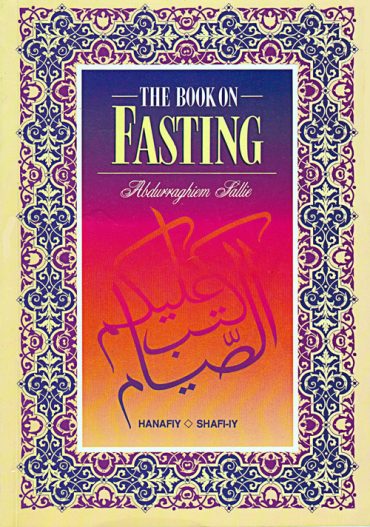
The Book on Fasting R74.00
Fasting is one of the most meritorious acts in Islam. In this book the fiqh (jurisprudence) of fasting, as well as its excellence, virtues and benefits, are expounded upon, which will if read and understood, enhance the observance of fasting to a higher degree, Insha-Allah.
The definitions of fasting, the various types of fasting and its principles and rules are defined. The sighting of the crescent, the manner in which the months of Ramadan and Shawwal becomes official, the viewpoint of the astronomer and the Hakim (judge) are discussed.
Other interesting discussions include fasting on Youmush Shak (the day of doubt), the various viewpoints of Laylatul Qadr, the fifteenth night of Sha’ban (Laylatul Bara-’ah – the night of pardoning of sons), and the days when fasting becomes haram (unlawful), makruh (abominable) and sunnah (recommended).
Fasting during the early days of Islam, actions which nullify the fast such as eating and sexual intercourse as well as the kafarah (atonement) for the transgression are explored. Reasons which make eating permissible during Ramadan and its judgement are discussed with a valuable addition to the book on pregnancy and breast-feeding. A medical perspective on fasting which answers popular questions on fasting has also been added. I’tikaf (intention to remain in a mosque to perform certain actions), Tarawih salah, Eid Salah, the Takbirs and actions sunnah to perform on the day of Eid are explained in detail. The Zakatul Fitr and voluntary sadaqah are expounded upon.
This book has been written from the viewpoints of the Shafi’i and Hanafiyah schools of thought.
Excerpt
Fasting regularly removes the screen that thwarts us from reaching greater and higher spiritual levels. If we look around us, we will find countless people indulging in their every desire and greed. Their greed for wealth, for example, causes a barrier between them and what is honourable. Others overtax their bodies by indulging in everything that arouses their appetite.
How appropriate the statement of some of the sahabah (companions) who said: “Man has not filled a container worse than his stomach.” Jesus used to say to his disciples: “Do not eat much, otherwise you will drink much and your hearts will become hard.”
-
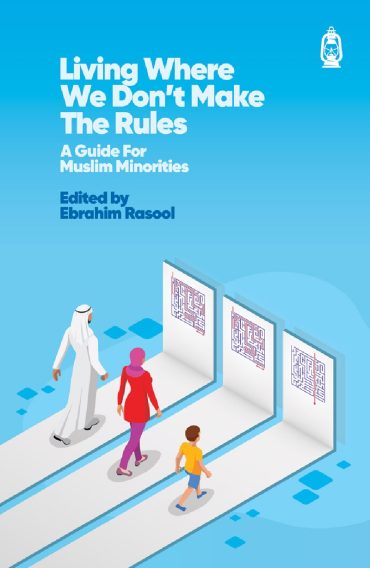
Sale!Living Where We Don’t Make The Rules Original price was: R330.00.R300.00Current price is: R300.00.
This work operates from the premise that today, 90 percent of countries worldwide have significant minorities that constitute at least ten percent of their populations. One in four Muslims lives in minority situations in almost every part of the world. Some have assimilated and forfeited their practices and identities in order to ‘belong’ while others have isolated themselves with others who share their language, national origin, culture or religion. But there are also Muslims who have been able to manage both their Islamic identity and other elements of identity that come with their new places of residence.
Living Where We Don’t Make the Rules is a guide that in pursuing the third option — balances theoretical rigour with practical direction. It includes the lived experience of those on the forefront of living as minorities, but also the scholarship of those who apply the synthesis of Islam’s timeless values, norms and principles, with the exigencies of the frontiers where Muslims find themselves in. It provides leadership that can guide everyday life, manage our faith, direct partnerships with fellow citizens and campaigns for inclusivity.

There are no reviews yet.